Cleaning Around Racking, Stock And Traffic
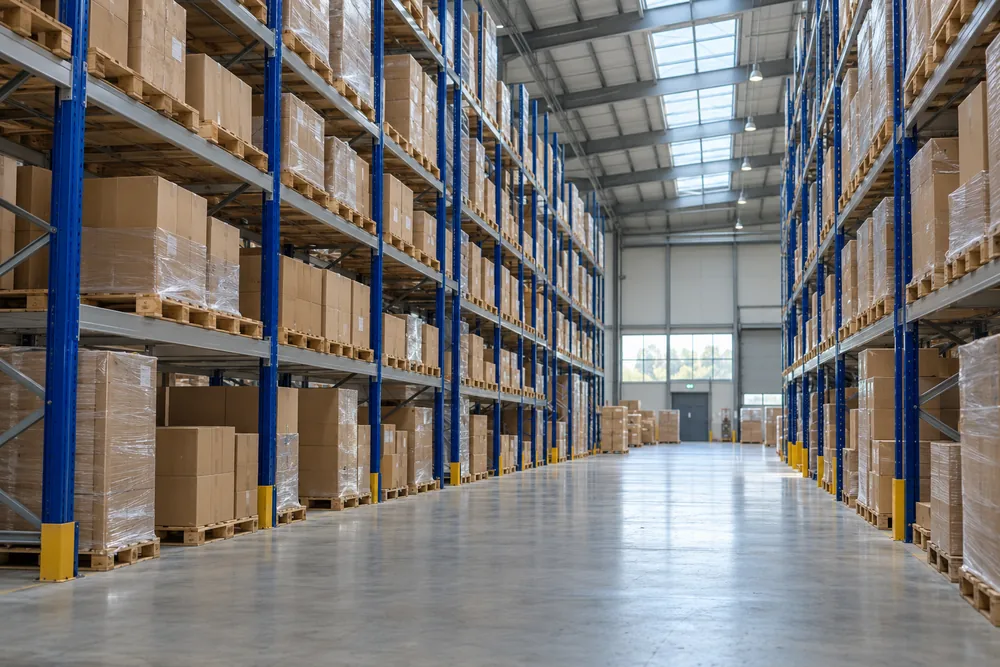
Warehouse cleaning starts with the movement of goods and people. Open aisles, picking areas, loading zones and welfare rooms collect different debris and cannot always be cleaned at the same time. A suitable scope identifies the safe cleaning boundaries and any areas unavailable during normal operations.
Routine work may include suitable floor cleaning, removal of ordinary loose debris, accessible perimeter areas and cleaning staff facilities. Stock handling, racking maintenance, high-level structural cleaning and work inside plant are separate tasks. They should not be included by implication in a general warehouse quotation.
The condition of the floor affects the method. Cracked coatings, damaged joints and oil contamination can change both cleaning performance and slip risk. Record these issues during the assessment so machine choice and expectations reflect the building rather than a generic production rate.
Dust, Debris And Floor Care
Loose packaging material should be removed before it becomes an obstacle or is carried through the building. Fine dust needs a method suitable for its source. An assessment should identify whether the dust is ordinary tracked-in dirt or a substance requiring additional control.
Where harmful dust may be present, dry sweeping can spread exposure. The HSE COSHH assessment guidance makes clear that hazards include substances produced by a process, not just labelled products. The cleaning method and equipment must fit the identified contamination.
For wet floor care, consider water recovery, chemical residue and drying before traffic returns. A scrubber that fits an aisle may still be unsuitable around vulnerable stock or restricted floor finishes. Confirm where equipment can be used and how edges, corners and pedestrian crossings will be handled.
Warehouse Cleaning And Safety Duties
The Workplace (Health, Safety and Welfare) Regulations 1992 require suitable workplace conditions, including cleanliness and safe routes. The cleaning activity itself must not create an unmanaged slip or trip hazard. Client and provider need to coordinate timing, segregation and the return of areas to use.
The Provision and Use of Work Equipment Regulations 1998 are relevant to cleaning equipment used at work. Suitability, maintenance and operator information matter. No cleaner should be expected to move an unfamiliar vehicle or access racking without the right authorisation and method.
Work at height is outside ordinary floor-level cleaning and needs separate planning where required. The Work at Height Regulations 2005 guidance explains the need to avoid work at height where possible and control remaining risks. High-level dust removal should be assessed on that basis.
A Warehouse Cleaning Sequence
First, share the building use, approximate floor area, racking arrangement and operating hours. Discuss vehicle routes, loading activity, sensitive stock and any hazardous materials. A walkthrough can identify cleaning water, equipment storage and the areas that can safely be released together.
Next, agree the floor method and a staged sequence with the site contact. Define barriers, pedestrian diversions and any requirement for a shutdown. Separate staff areas and washrooms from stock areas so equipment and contamination do not move between them without control.
After each stage, check the floor condition, remove equipment and confirm that reopening criteria are met. Report damage or spills outside the agreed scope. A simple record of completed zones is more useful than assuming the whole warehouse was accessible throughout the visit.
Warehouse Cleaning Costs And Frequency
Costs are shaped by floor area, soil, racking density, stock restrictions and the amount of space released at one time. An empty building before occupation may be simpler to access than a smaller active picking operation. Required shutdown windows and specialist equipment can alter the work involved.
Frequency should reflect how quickly debris returns and where contamination creates a risk. Loading areas may need a different routine from quieter storage aisles. Agree which spill and debris tasks remain with the warehouse team between scheduled cleaning visits, because routine visits cannot replace immediate site controls.
For workshops and production buildings, see industrial cleaning. Periodic detail work can be included through a separate deep cleaning scope. Our main commercial cleaning Leeds page explains how to combine these with regular maintenance and staff welfare cleaning.